Open Efficiency and Development With AI Automation for B2B Firms
AI automation is transforming the landscape for B2B companies. It reduces and streamlines procedures reliance on human treatment. This change permits companies to make quicker, data-driven choices. As companies check out which processes to automate, they have to additionally take into consideration the right tools to apply. Difficulties stay in taking on AI technology. The effects of these changes could shape the future of many business in means yet to be totally recognized
Understanding AI Automation in the B2B Context
As businesses significantly seek effectiveness, comprehending AI automation in the B2B context ends up being important. AI automation entails using advanced technologies to improve operations, minimize human intervention, and boost decision-making procedures. In the B2B landscape, this can show up in different kinds, such as automating customer support communications, handling supply chain logistics, or optimizing marketing campaigns. Firms can take advantage of AI to examine massive datasets rapidly, allowing them to determine patterns and insights that inform critical choices. AI systems can integrate flawlessly with existing innovations, providing a cohesive platform for managing service functions. This understanding lays the groundwork for organizations to explore how AI can change their operations, improve performance, and eventually foster sustainable growth in an open market.
Trick Advantages of Executing AI Automation
Recognizing Processes Appropriate for Automation

Picking the Right AI Equipment for Your Business
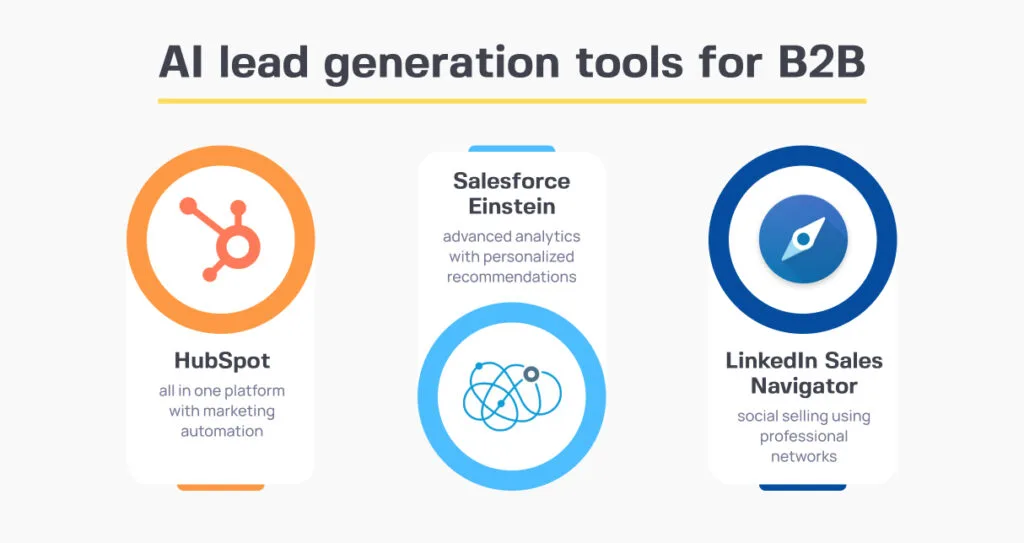
When B2B companies consider automating their processes, choosing the ideal AI devices ends up being crucial for attaining wanted end results. Business should begin by evaluating their special needs and goals, making sure alignment with business objectives (Minarik AI). Evaluating the integration, scalability, and adaptability capacities of prospective devices is important, as these elements determine long-lasting efficiency. Organizations should also think about user-friendliness and the degree of assistance supplied by suppliers, as these elements can impact successful implementation. Additionally, examining client reviews and study can provide understandings into just how certain AI services carry out in real-world circumstances. By thoroughly choosing AI devices that fit their functional requirements, B2B business can improve effectiveness and drive development while lessening possible disruptions
Getting Rid Of Challenges in AI Adoption
B2B business usually run into significant challenges in embracing AI innovations, particularly issues associated with information high quality and resistance to transform administration. Poor information high quality can prevent the efficiency of AI systems, while employee reluctance to welcome new processes can stall execution initiatives - AI Automation For B2B. Dealing with these obstacles is important for effective AI assimilation and optimizing its prospective advantages
Information High Quality Issues
Ensuring high information top quality is essential for the effective adoption of AI innovations in business-to-business environments. Inaccurate, incomplete, or out-of-date information can seriously prevent AI campaigns, causing incorrect understandings and poor decision-making. Firms commonly face difficulties such as information silos, variances across various sources, and a lack of standard data styles. To get rid of these problems, organizations need to purchase information cleansing, integration, and governance procedures. Implementing robust information administration practices ensures that the info fed into AI systems is trustworthy and pertinent. Promoting a society of information high quality awareness amongst staff members can improve data precision over time. By dealing with information high quality concerns, B2B firms can launch the full capacity of AI automation, driving effectiveness and development.
Change Administration Resistance
Determining the Influence of AI Automation
Measuring the influence of AI automation in B2B business calls for a clear understanding of crucial efficiency signs (KPIs) that straighten with company purposes. Efficient data evaluation techniques are necessary for translating the outcomes, while robust ROI evaluation strategies aid go to this web-site identify the financial advantages of automation initiatives. Together, these parts give a considerable framework for assessing AI's contributions to business success.
Trick Efficiency Indicators
Key efficiency indicators (KPIs) act as vital devices for B2B companies to analyze the effectiveness of AI automation initiatives. By establishing clear metrics, organizations can gauge enhancements in functional effectiveness, cost decrease, and earnings development directly attributable to automation. Typical KPIs include cycle time decrease, error rates, customer fulfillment scores, and staff member efficiency levels. These indications give understandings right into how AI systems are enhancing processes and boosting general efficiency. In addition, tracking KPIs allows firms to identify locations for more renovation and to align AI automation efforts with critical company objectives. Inevitably, a distinct structure of KPIs guarantees that B2B business can quantitatively assess the effect of AI automation on their procedures and drive constant growth.
Information Evaluation Techniques
Efficient data analysis strategies play a crucial role in reviewing the impact of AI automation within B2B companies. By making use of statistical approaches, organizations can identify trends and patterns in functional data, enabling them to examine the efficiency gains achieved via automation. Methods such as regression evaluation and time collection projecting give understandings right into how AI-driven procedures influence efficiency and decision-making. In addition, data visualization tools can effectively communicate findings to stakeholders, helping with notified calculated decisions. Artificial intelligence algorithms can even more enhance evaluation by forecasting future outcomes based on historical data, offering workable understandings. Ultimately, these methods enable B2B business to measure success and maximize their AI automation efforts, guaranteeing positioning with organization purposes and improving overall performance.
ROI Evaluation Approaches
Examining the return on investment (ROI) of AI automation is necessary for B2B companies looking for to recognize the financial implications of their technical campaigns. Business can employ different ROI evaluation techniques to assess the effectiveness of AI applications - Growth Systems For B2B. One reliable approach involves computing price financial savings by comparing operational costs before and after automation (Minarik AI). Furthermore, gauging productivity enhancements with crucial performance indications (KPIs) aids quantify the advantages of AI. Customer complete satisfaction metrics can also give insights into the impact of automation on solution top quality. To guarantee a detailed analysis, companies need to take into consideration both direct monetary returns and abstract benefits, such as boosted decision-making capacities and competitive benefit. This multifaceted evaluation enables B2B business to make enlightened decisions relating to future financial investments in AI technology
Future Fads in AI Automation for B2B Companies
What technologies lie in advance for AI automation in B2B firms? Arising patterns show a considerable shift in the direction of improved information analytics abilities, making it possible for organizations to make more educated choices. Anticipating analytics will end up being progressively necessary, permitting firms to anticipate market changes and customer needs. Additionally, the combination of AI with Internet of Things (IoT) modern technology is expected to simplify operations by offering real-time understandings and automation of processes. Firms will also concentrate on enhancing consumer experiences with individualized marketing driven by AI algorithms. Furthermore, improvements in natural language processing will facilitate far better interaction between companies and clients. As these patterns progress, B2B firms have to adjust to take advantage of AI automation effectively, making sure continual development and competitive advantage.
Often Asked Concerns
What Industries Benefit one of the most From AI Automation in B2B?
Production, money, health care, and logistics industries profit one of the most from AI automation in B2B. These industries take advantage of AI to maximize procedures, enhance decision-making, and improve general operational efficiency, driving considerable development and advancement.
Just How Does AI Automation Impact Staff Member Duties and Responsibilities?
AI automation improves worker roles and obligations by improving repeated tasks, making it possible for workers to concentrate on critical efforts. This change fosters ability growth, improves efficiency, and motivates partnership, inevitably driving organizational growth and innovation.
What Prevail Misconceptions Concerning AI Automation in B2B?
Usual mistaken beliefs concerning AI automation in B2B include fears of job loss, ideas that AI can completely replace human judgment, and undervaluing the significance of collaboration between AI systems and staff members for ideal results.
Just How Can Businesses Guarantee Information Personal Privacy With AI Automation?
Organizations can guarantee data privacy with AI automation by carrying out durable security procedures, sticking to regulatory compliance, conducting normal audits, and training staff members on data dealing with methods to reduce dangers and protect sensitive info.
What Are the Prices Connected With Carrying Out AI Automation?
The expenses associated with applying AI automation consist of software application procurement, framework upgrades, training workers, ongoing maintenance, and prospective downtime throughout integration. Furthermore, business may sustain expenses associated to data protection and conformity measures.
Measuring the impact of AI automation in B2B companies requires a clear understanding of crucial efficiency signs (KPIs) that align with service goals. Trick efficiency signs (KPIs) offer as crucial devices for B2B companies to examine the performance of AI automation campaigns. Reliable data analysis strategies play an important function in evaluating the influence of AI automation within B2B business. Evaluating the return on investment (ROI) of AI automation is essential for B2B business looking for to comprehend the monetary implications of their technological campaigns. What developments exist in advance for AI automation in B2B business?